
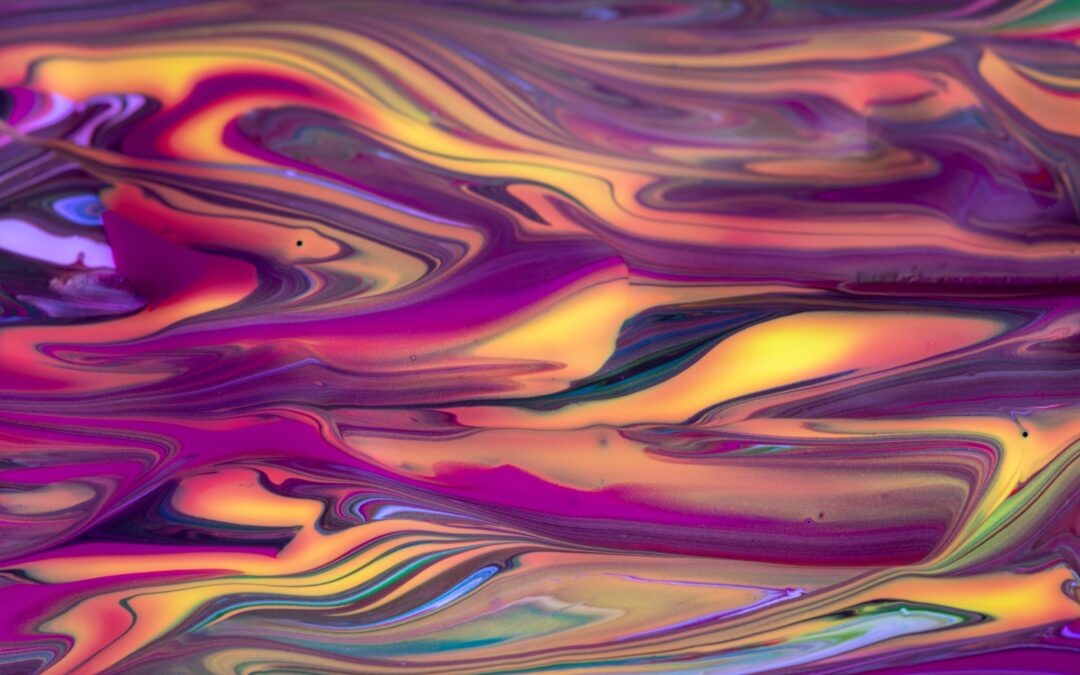
We think of photography as a way of capturing the natural beauty of the world. Naturally, we want crystal clear images of people, places and things; but there are other ways to capture the natural beauty of the world—not by representing it clearly, but by abstracting it. In this blog post, we’ll be sharing some thoughts and ideas on abstract photography: a creatively rewarding pastime.
What is Abstract Photography?
Abstract photography is a form of experimental photography that refrains from capturing the world objectively. Instead, it strips the world of everyday objects in order to focus on the properties that make them objects in the first place: things like colour, shape and texture.
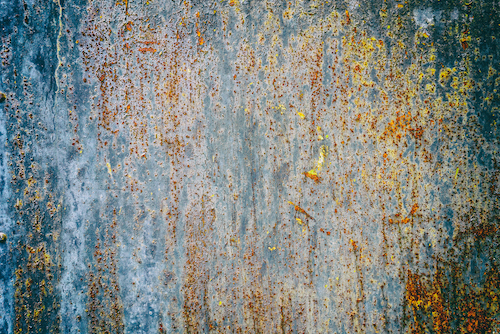
There are no rules when it comes to abstract photography and that’s why it’s so creatively rewarding. The further away you get from recognisable objects, the deeper you are into the world of abstract photography.
A great example of abstract photography (this time from the world of film) can be seen in a clip from Jean-Luc Godard’s 2 or 3 Things I Know About Her (1967), where a close-up shot of a swirling cup of coffee turns into a cosmic dance. Click here to view the clip.
Abstract Photography: Do I need special equipment?
Equipment is by no means the main focus of abstract photography. That said, there are some interesting additions to your camera set-up that will aid you in your search for abstraction.
For example, a macro lens can help achieve close-quarter encounters with textures and patterns. Alternatively, a kaleidoscopic lens cap is a great way to abstract any given image automatically by refracting light and blending colours to create quasi-psychedelic compositions (see image below).

You don’t need specialist equipment to create abstract photography. You can create mesmerising compositions with even the simplest camera set-up. Abstract photography is less about equipment than it is imagination. You just need to know where to look…
Ideas for Abstract Photography
1. Mixing Paint
If you’re looking for an entry point into the world of abstract photography, mixing paint is the perfect place to start. All you need is some paint, a surface to mix them on (e.g. an old tile) and your camera. Colour is the main focus here, but also the patterns that emerge from the paints flowing together.
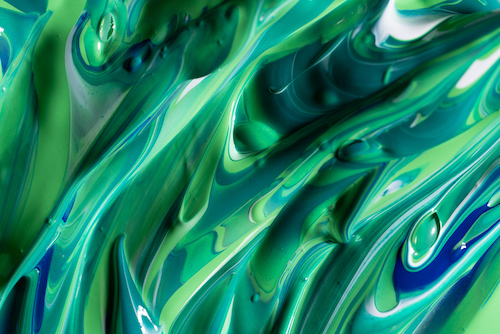
Make sure to use enough paint to ensure the colours don’t blend together completely. Experiment with different colour palettes and brush movements to create dreamy, celestial configurations. The possibilities are endless!
2. Rain in Puddles
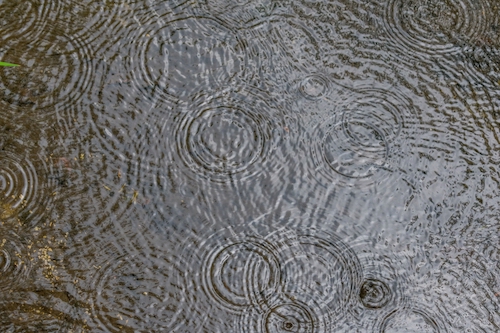
The natural elements hold an important place in abstract photography. Water is a great place to start. Next time it rains, grab your camera and find the nearest body of water (e.g., puddles, ponds, lakes, etc.) and photograph the drops of rain hitting the surface. Try to get a birds-eye view of the rain drops you’re capturing (without getting your reflection in the frame!). The result is an image that’s hard not to explore.
3. Bokeh
Bokeh is a photography term used to describe the blurring of lights through very shallow depths of field. The bokeh effect can be achieved easily on a DSLR by deliberately creating an out-of-focus image, leaving only abstract bubbles of light.
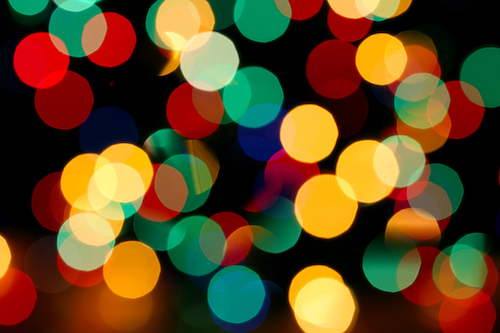
Bokeh is a fantastic way to incorporate light into your abstract photographs. Note that the bokeh effect can only be achieved in low light conditions. It’s a wonderful way to abstract any given scene. [three consecutive sentence starters]
4. Texture
Along with colour and shape, texture is one of the key ingredients for creating abstract compositions. When photographed up close, certain textures will convey a feeling of tactility for the viewer and you’ll be amazed at the compositions you create. Keep an eye out for interesting surfaces like peeling plaster, mottled brickwork or rusted metal—but again, the possibilities are endless!

5. Architecture
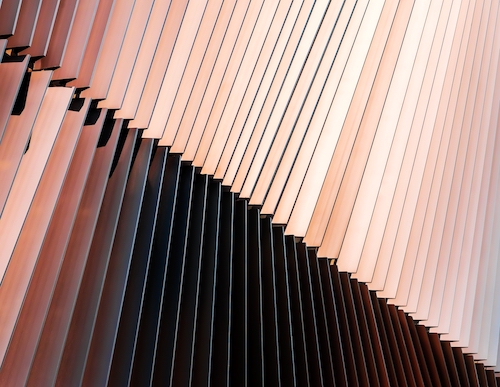
Modern architecture lends itself to abstract photography. Repeated patterns, geometric shapes and stark colour palettes can produce otherworldly images when captured in certain ways. The trick is to seek out compositions that are as furthest from reality as possible. You want to estrange the viewer from what it is they’re actually seeing, preventing them from recognising what the content really is and making them see the world anew.
We hope to have encouraged you to take a closer look at the world around you and abstract from it some truly fascinating images. Good luck!
Why Glover & Howe?
With over 50 years of experience in photographic insurance, we understand how much your camera equipment means to you. That’s why we boast a specialist in-house claims team to ensure that should you need to make a claim, it’s dealt with in full, in a timely and efficient manner. Click here to start calculating your quote.
Protect your photography equipment and have peace of mind with Glover & Howe. If you have any further questions about our specialist photographer insurance, speak to the team about your requirements on 01206 814500.
Recent Comments